Bulky Waste Moves in N9: Safe Disposal, No Fines
Posted on 02/06/2026
If you have a battered sofa by the hall door, a heavy wardrobe in the spare room, or a freezer that has well and truly outstayed its welcome, you are not alone. Bulky waste has a habit of turning up right when you are trying to move, clear space, or get back on top of a property. The tricky part is not just shifting the item. It is making sure the disposal is safe, legal, and done in a way that avoids fly-tipping issues, missed collections, or unnecessary fines. This guide to Bulky Waste Moves in N9: Safe Disposal, No Fines walks you through the practical steps, the common mistakes, and the sensible options that keep things moving without the headache.
You will find straightforward advice here: what counts as bulky waste, how collection and disposal usually work in and around N9, when to use professional help, and how to prepare items so the job is quicker and cleaner. No fluff. Just the kind of detail that helps when the clock is ticking and you have a doorway, a stairwell, or a neighbour's patience to think about.
Why Bulky Waste Moves in N9: Safe Disposal, No Fines Matters
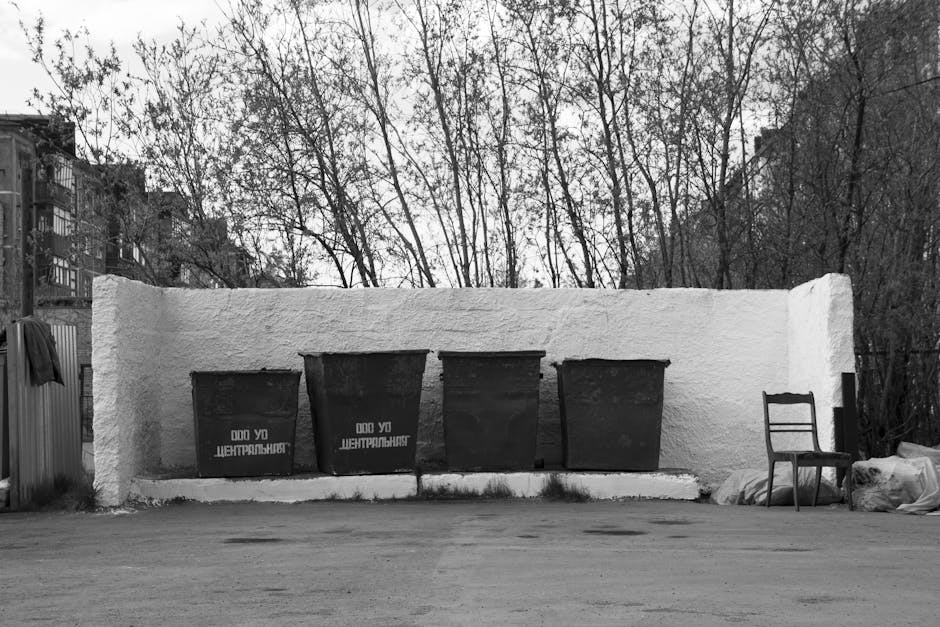
Bulky waste is not just "stuff you do not want anymore". In real life, it is often furniture, white goods, mattresses, broken shelving, old carpets, exercise equipment, or awkward items that will not fit in the usual bin. In N9, as in the rest of London, leaving bulky waste out in the wrong place or at the wrong time can create problems fast: blocked pavements, complaints from neighbours, collection refusals, or worse, evidence that looks suspiciously like fly-tipping.
That is why a proper bulky waste move is about more than lifting and loading. It is about planning the disposal route, separating reusable from non-reusable items, and making sure waste goes to the right place. To be fair, most people do not wake up excited about this bit of a move. But the difference between a tidy, lawful clear-out and a stressful mess is usually one or two good decisions made early.
There is also a practical side. The bigger the item, the more likely it is to cause damage during handling. Scraped walls, torn flooring, smashed glass, and pulled backs are all far too common when bulky items are tackled in a rush. A proper approach protects your property, your time, and your peace of mind. And if you are decluttering as part of a bigger move, it can make the rest of the process far smoother. If that is where you are at, it may also help to look at practical decluttering advice before you start.
Key point: bulky waste disposal is safest when you separate the lifting plan from the disposal plan. You need both.
How Bulky Waste Moves in N9: Safe Disposal, No Fines Works
A safe bulky waste move usually follows a simple but disciplined process. First, you identify the items that genuinely need to go. Then you check whether anything can be donated, reused, repaired, or recycled. After that, you decide how the waste will be removed: by a booked collection, a man and van service, or a larger removal team if the load is heavy or awkward.
In practice, the job often breaks down like this:
- Assessment: note the size, weight, and condition of each item. A sofa with loose fabric is handled differently from a solid pine wardrobe.
- Access check: measure doorways, stairs, lifts, landings, and the distance from the property to the vehicle.
- Sorting: separate bulky waste, recyclable materials, and anything that can be kept or reused.
- Preparation: remove drawers, shelves, detachable legs, or loose parts where safe to do so.
- Protection: use blankets, straps, gloves, and floor protection to reduce damage during the move.
- Removal and disposal: load carefully, transport responsibly, and make sure the destination is appropriate for the item type.
That sounds neat on paper, but let's face it, real homes are not neat. You may have a mattress leaning against a radiator, a freezer in a narrow kitchen, and a wardrobe that only just made it up the stairs in the first place. In those cases, slow and controlled wins every time. If lifting is part of the job, it is worth revisiting how to lift heavy objects efficiently and the more detailed advice on kinetic lifting techniques.
For larger or more delicate items, a specialist removal approach can be sensible. That is especially true if bulky waste is mixed in with furniture, appliances, or fragile household contents. In those cases, a broader moving plan often helps. A useful companion read is the step-by-step guide to moving house without stress.
Key Benefits and Practical Advantages
Doing bulky waste properly saves more than time. It reduces risk, lowers stress, and keeps the move under control. The advantages are easy to underestimate until you have tried moving a broken wardrobe down a narrow staircase at 7:30 on a wet morning. Bit of a nightmare, honestly.
- Lower risk of fines or complaints: proper disposal avoids leaving items where they should not be.
- Safer handling: trained lifting and the right equipment reduce injury risk.
- Less damage: doors, walls, lifts, and floors are better protected.
- Cleaner property handover: a clear-out supports end-of-tenancy or sale-day readiness.
- More usable space: removing old bulk opens the home up again, which is oddly satisfying.
- Better recycling outcomes: separating materials can keep more out of general waste.
There is also a less obvious benefit: decision fatigue drops. When bulky items are handled early, everything else becomes simpler. Packing feels easier. Cleaning feels easier. Even planning the final van load makes more sense. If you are still in the sorting phase, you may find this packing guide for moving useful for keeping the rest of the move in order.
Who This Is For and When It Makes Sense
This kind of service or planning approach is useful for anyone in N9 who has items too large, too awkward, or too risky to deal with through ordinary household waste routines. That includes renters, homeowners, landlords, students, office managers, and people clearing a property after a move or refurbishment.
It tends to make the most sense when:
- you need to clear a home before moving day
- you have one or two oversized items, not a full house load
- stairs or tight access make lifting tricky
- you want a same-day or short-notice solution
- you are dealing with a mattress, sofa, wardrobe, bed frame, freezer, or piano
- you want the job handled in one go rather than in several stressful trips
Not every bulky item needs a full removal crew, of course. A small flat with one dismantled bed frame may only need a straightforward collection. But if you are on the upper floor of a Victorian terrace or in a block where access is awkward, professional help can save a lot of hassle. For compact properties and staircase-heavy layouts, it can be worth reading about flat removals in Edmonton and the local access tips in Meridian Water removals access and timing.
Step-by-Step Guidance
If you want a no-drama approach, follow this sequence. It is simple, but simplicity is usually what keeps things from going sideways.
1. Make a proper item list
Walk through the property and write down every bulky item. Include dimensions if you know them, plus notes on weight, condition, and whether it can be dismantled. A quick list can prevent a surprisingly expensive mistake later. Is that old wardrobe solid pine or lightweight MDF? That detail matters.
2. Decide what stays, what goes, and what can be reused
Be honest here. A lot of bulky waste is simply stuff people have postponed dealing with. If something is repairable or reusable, separate it now. If an item is no longer safe or practical, mark it for disposal. Many households also pair bulky waste disposal with a general tidy-up, and if so move-out cleaning tips can help you coordinate the final stages.
3. Measure access points
Check front doors, back doors, lift openings, stair turns, and hallway widths. Do not guess. A tape measure and five minutes can save an hour of frustration. I have seen people bring out a sofa only to realise the final corner is the real villain. Always the final corner.
4. Prepare the item safely
Remove drawers, cushions, detached shelves, and loose fittings. Tape up doors on cabinets if needed. Protect sharp edges. If you are moving a bed or mattress, it helps to apply the right approach before the item leaves the room, not after it is halfway in the van. For that, these bed and mattress moving tactics are a solid reference.
5. Use the right equipment
At minimum, you want sturdy gloves and sensible footwear. For heavier loads, furniture blankets, trolleys, straps, and loading ramps make a real difference. If the item is delicate or unusually shaped, padding matters even more. Sofas, for example, are much easier to move cleanly when they are protected first; see sofa preservation and storage tips for practical handling ideas.
6. Load in a logical order
Put the heaviest and least fragile items first if the route is safe, then fill the gaps with lighter waste or wrapped smaller pieces. Keep like with like where possible. You do not want a metal bed frame punching into the side of a mattress halfway down the road. Not ideal.
7. Dispose responsibly
Make sure the final destination is appropriate for the item type. Some waste can be recycled, some should go to a specific disposal route, and some may require specialist handling. If you are keen to keep the process as sustainable as possible, it is worth reading the company's recycling and sustainability approach.
Expert Tips for Better Results
A few practical habits make bulky waste removal much smoother. These are the things people usually wish they had done the day before.
- Clear the path first. Shoes, bags, kids' toys, and loose cables become tripping hazards fast.
- Take photos of awkward items. A quick image helps when discussing access or loading needs.
- Disassemble before the team arrives. It saves time and may reduce handling risk.
- Protect communal areas. In flats, keep corridors tidy and quiet, especially early or late in the day.
- Check for hidden contents. Cupboards, drawers, and under-bed storage have a habit of surprising people.
- Plan around traffic and parking. In N9, access can be the whole story.
A small but useful trick: label items that should not be mistaken for waste. I have seen a "donate" box vanish into a clearance pile before lunch. Once. Enough said.
If your bulky waste move is part of a bigger relocation, local route planning can matter too. Short journeys through Edmonton Green or around busier junctions are easier when timed well. A couple of useful local reads are best van routes around Edmonton Green and what to expect from same-day removals.
Common Mistakes to Avoid
Most problems with bulky waste are predictable. That is actually good news, because predictable problems are easier to avoid.
- Leaving items outside too early: this can create clutter, nuisance, or collection issues.
- Underestimating weight: a "light" cabinet can become a two-person job very quickly.
- Not checking access: one tight bend can stop the whole plan.
- Mixing waste types: recycling and disposal often need different handling.
- Ignoring building rules: some flats and managed blocks have specific timing or access requirements.
- Trying to force awkward items through narrow spaces: this is how walls get marked and tempers rise.
- Skipping insurance or safety checks: if a service is involved, ask how they protect you and your property.
Another common mistake is treating bulky waste as a side task at the end of a move. In reality, it is often the thing that sets the tone for everything else. Clear the bulk early and the rest feels lighter. Literally and mentally.
Tools, Resources and Recommendations
You do not need a warehouse of kit, but the right few items make a big difference.
| Tool or resource | Why it helps | Best for |
|---|---|---|
| Heavy-duty gloves | Improves grip and protects hands | Metal, rough timber, and broken edges |
| Furniture blankets | Reduces scuffs and impact damage | Sofas, wardrobes, cabinets |
| Straps | Helps secure awkward items during lifting and loading | Fridges, beds, tall furniture |
| Moving trolley | Takes strain off the body and speeds up transport | Heavy boxes and appliance loads |
| Measuring tape | Prevents access surprises | Doors, corridors, lifts, vehicles |
| Protective floor coverings | Reduces damage in hallways and entrances | Shared buildings and polished floors |
For larger household clear-outs, it can also help to coordinate bulky waste with storage or staged packing. If you are not ready to let go of everything yet, short-term storage can buy you breathing room. Storage options in Edmonton can be useful when decisions are not final, and a box-and-packing refresh from packing and boxes support can keep the rest organised.
If the move involves specialist or unusually valuable items, do not improvise. Piano handling is a classic example. A bulky object can look manageable right up until it is not. For that reason, the risks of DIY piano moving are worth understanding before anyone starts lifting.
Law, Compliance, Standards, or Best Practice
For bulky waste in N9, the safest approach is to act as though every item needs a clear, responsible disposal path. UK waste rules are not something to bluff your way through, and local councils can be strict about fly-tipping, improper set-outs, and contamination of collections. The exact process depends on the item, the location, and whether the waste is household, commercial, recyclable, or specialist.
Best practice usually means:
- keeping waste on your own property until collection or removal is arranged
- avoiding placement on pavements, communal areas, or shared access routes unless a lawful collection system is in place
- separating recyclable materials where practical
- making sure hazardous or specialist items are handled correctly
- using reputable providers with clear policies on safety, insurance, and disposal
If you are booking help, ask sensible questions. How are items handled? What happens to reusable furniture? Are there any exclusions? What is covered if an item damages the property during removal? Those are fair questions, not awkward ones. A trustworthy company should welcome them. You can also review general standards through the health and safety policy, insurance and safety information, and the terms and conditions before you book.
If you are comparing providers, it also helps to understand how quotes are formed and what is actually included. That tends to prevent awkward misunderstandings later. For that, the page on pricing and quotes is a sensible place to look.
Options, Methods, or Comparison Table
There is no single right way to handle bulky waste. The best method depends on how much you need to move, how heavy it is, and how quickly you need it gone.
| Method | Best for | Pros | Limitations |
|---|---|---|---|
| DIY disposal | Small, manageable loads | Flexible and sometimes low cost | Higher physical risk, time-consuming, disposal mistakes possible |
| Booked bulky waste collection | Predictable household items | Structured and simple | May require waiting, item restrictions can apply |
| Man and van support | Mixed household bulk or awkward access | Flexible, quicker for short-notice jobs | Depends on proper sorting and clear instructions |
| Specialist removal service | Heavy, delicate, or high-value items | Safer handling and better protection | Usually the most expensive option |
For many N9 households, the middle ground works best. A van with experienced loading support is often enough for sofas, beds, wardrobes, and general bulky waste, especially if the property has stairs or limited parking. If your move is broader than a single clear-out, removal services in Edmonton, man and van support, and a suitable removal van may all be part of the same solution depending on what you need.
Case Study or Real-World Example
Picture a typical ground-and-first-floor terrace in N9. The tenant is moving out at the end of the month, and the hall contains a broken wardrobe, a mattress that has seen better days, a small freezer, and a sofa that no longer fits the new layout. Nothing outrageous. But all of it is awkward enough to become a problem if left to the last minute.
In a sensible plan, the items are sorted two days before moving day. The wardrobe is emptied and partly dismantled. The mattress is wrapped. The freezer is checked, emptied, and prepared for safe transport. The sofa is protected at the corners. Access is measured, parking is checked, and the route from the front room to the van is cleared. The actual removal takes far less time than the panic would suggest.
The key difference? No one tried to do it all at once. The tenant handled sorting in the evening, the heavy lifting happened in daylight, and the final disposal was coordinated with the rest of the move. It was not glamorous. It was just efficient. Which, in this business, is usually the whole point.
For similar situations, especially if your property has awkward access or you are working to a tight window, you may also find these local guides helpful: local moving tips for Pymmes Park and access and timing tips for Meridian Water.
Practical Checklist
Use this checklist before you book or begin the move. It keeps the job grounded and avoids those late "oh no" moments.
- List every bulky item that needs to go
- Separate reusable, recyclable, and waste items
- Measure doors, stairs, corridors, and lifts
- Check parking and access near the property
- Remove loose parts, drawers, and detachable fittings
- Protect flooring, corners, and walls
- Wear gloves and sensible footwear
- Confirm whether any items need specialist handling
- Keep pathways clear inside the property
- Decide whether storage is needed for any items not yet finalised
- Ask about disposal, recycling, and insurance details
- Schedule the move at a sensible time of day
Expert summary: the safest bulky waste move is the one that starts before the lifting begins. Good sorting, clear access, and the right disposal route are what keep costs down and stress under control.
Conclusion
Bulky waste moves in N9 do not need to become a saga. With a bit of planning, careful handling, and a responsible disposal route, you can clear large items safely and avoid the kind of mistakes that lead to damage, delays, or fines. The main thing is to treat the job as a process, not a pile of random objects in the way. That small shift changes everything.
If you are moving home, clearing a rental, or just reclaiming space, start early, measure access, and choose a method that fits the load rather than hoping for the best. Truth be told, bulky waste is rarely the hardest part of a move. It just becomes the hardest part when nobody gives it a proper plan.
Get a free quote today and see how much you can save.
And if you are staring at one last awkward item and wondering whether it will ever fit through the door, take a breath. It usually does work out, one careful step at a time.