Turkey Street Edmonton van removals parking and access guide
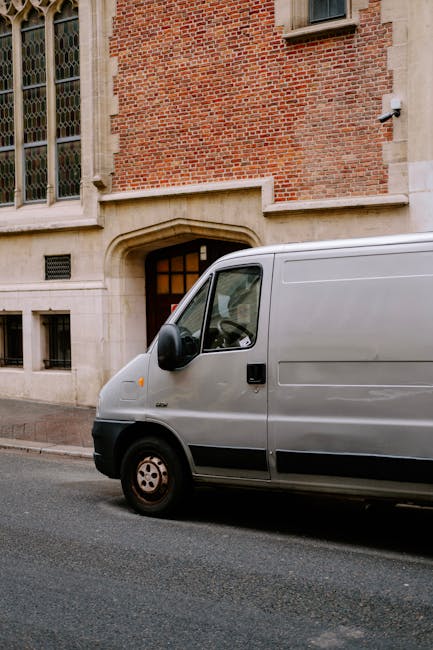
If you are planning a move and trying to figure out the Turkey Street Edmonton van removals parking and access guide, you are probably dealing with the usual moving-day headache: where can the van stop, how close can it get, and what happens if the street feels tighter than it looked online? Truth be told, that last ten metres can make or break the whole job. This guide walks you through parking, access, timing, loading, and the practical bits that often get missed until the van is already on the road.
We will cover how access works in this part of Edmonton, what to check before move day, where delays usually happen, and how to plan a calmer, cleaner move. If you want fewer surprises and less back-and-forth with the driver, you are in the right place.
Why Turkey Street Edmonton van removals parking and access guide Matters
Parking and access are not just minor logistics. They are often the difference between a tidy, controlled move and a stressful day where everyone keeps carrying boxes from the far end of the street. In a place like Turkey Street, Edmonton, that matters even more because local road layout, driveway width, building frontage, and general traffic flow can all affect how quickly a removal van can work.
When access is tight, the team may need to park further away, use smaller vehicles, make extra carrying trips, or adjust the order of loading. That adds time. It can also increase the chance of damage if items are being carried longer distances over pavements, kerbs, stairs, or around parked cars. Not ideal, as you can imagine.
This is why a good access plan is not overthinking it. It is just sensible. If you know in advance where the van can stop, whether there is space to reverse safely, and whether any restrictions apply, you can organise the move around reality rather than hope. And hope, let's face it, is not a moving strategy.
You will also find that good access planning helps with communication. When a customer, driver, and mover are all on the same page, the day tends to feel calmer. Fewer awkward phone calls. Fewer "just one minute, we need to move the van" moments. Small thing, big difference.
How Turkey Street Edmonton van removals parking and access guide Works
At its simplest, van removals parking and access planning is about matching the vehicle and the moving method to the actual street conditions. That means thinking about kerb space, road width, nearby junctions, turning room, loading distance, and whether the property has a driveway or forecourt that can be used safely.
The process usually starts before the moving day. A mover or customer will assess the property location, street access, and likely parking position. In some cases this is done from photos, maps, or a quick site check. In other cases, it is handled by experience: an operator who has worked in Edmonton a lot will already know the patterns, the pinch points, and the places where a van can sit without causing grief for everyone else.
On the day itself, the van should ideally be parked as close as practical to the entrance, while still allowing safe access for pedestrians, residents, and other vehicles. If that is not possible, the crew adapts. They may use trolleys, straps, blankets, and a more organised carry route. You do not want improvisation to become chaos. There is a difference.
Some moves need extra planning for timing too. For example, early morning may be calmer for loading, while school run periods or peak traffic may make a short street feel much tighter. If your building shares access with neighbours, there may also be informal local etiquette to consider. A bit of courtesy goes a long way. It really does.
Key Benefits and Practical Advantages
A properly planned parking and access setup gives you several real-world advantages. These are not fancy marketing points; they are the bits you feel on moving day when things go right.
- Faster loading and unloading: Less walking time between the door and the van means a more efficient move.
- Lower risk of damage: Shorter carry distances reduce the chances of knocks, scuffs, and dropped items.
- Less disruption to neighbours: Good parking choices help avoid blocking drives, junctions, or access routes.
- Better crew efficiency: Movers can keep a steady rhythm rather than wasting time shuffling around a poor parking position.
- Improved safety: Safe access matters for lifting heavy furniture, navigating steps, and keeping clear walkways.
- More accurate timing: When the van can get close, the estimate is easier to keep on track.
There is also a less obvious benefit: better headspace. When the access plan is sorted, people tend to be calmer. You can focus on keys, meter readings, final checks, and all the little tasks that always seem to appear at the last minute. Moving is emotional enough without fighting the street layout as well.
If your move is linked to a larger house move, it can be useful to pair access planning with broader preparation from a trusted home moves service or a more flexible man and van option, especially where the property is awkward or parking is limited.
Who This Is For and When It Makes Sense
This guide is for anyone moving from, to, or around Turkey Street, Edmonton who needs a van to load close to the property. That includes homeowners, tenants, landlords, flat movers, small businesses, and anyone moving bulky items that are awkward to carry over a long distance.
It is especially useful if any of the following apply:
- your road is narrow or busy
- you have no private driveway
- the property is on a corner, near a junction, or close to parked cars
- there are steps, a shared walkway, or a long path from the road to the door
- you are moving large furniture, appliances, or mixed household contents
- you are coordinating several people and want the day to run smoothly
It also makes sense if you are comparing removal providers and want to judge whether they understand local access properly. A good operator will not just ask, "What time do you want us there?" They will also ask about parking, floor level, access route, and whether there are any restrictions nearby. That is the sort of detail that saves headaches.
For larger jobs, commercial clients may want to combine access planning with a wider move plan, such as commercial moves or office removals, where timings and parking are often even more sensitive.
Step-by-Step Guidance
Here is a practical way to plan van access without turning the whole thing into a project management exercise. Keep it simple, but be thorough.
- Check the property frontage. Look at the road width, kerb space, and whether a van can reasonably stop close to the entrance.
- Note any obstacles. Think about bollards, low trees, bins, lamp posts, railings, parked cars, or a tight turning area.
- Measure the carry distance. Even a rough estimate helps. Twenty metres is very different from eighty.
- Look at the access route. Are there stairs, shared entrances, narrow hallways, or a long garden path?
- Check likely time pressures. School run periods, evening traffic, or busy delivery windows can make parking harder.
- Speak to the mover early. Tell them about the site honestly. If it looks tight, say so. No need to polish it up.
- Prepare the property. Move bins, clear the doorway, and keep the access route free.
- Have a backup plan. If the ideal spot is taken, know where the next-best space might be.
A quick example: if your street usually has parked cars on both sides, do not assume the van can simply pull up directly outside. In that case, it may be better to plan for a nearby legal stopping point and make the carry route as smooth as possible. That is often the difference between "fine" and "why is this taking so long?"
If you are arranging a same-day or urgent move, it can help to review a service like same-day removals in Edmonton so you know how timing and access interact when the schedule is tight.
Expert Tips for Better Results
Here are the practical details that experienced movers tend to check first. These are small things, but small things are often where the day gets easier.
- Photograph the frontage before moving day. A few photos of the road, entrance, and parking area help everyone visualise the job.
- Keep the route from door to van clear. One stray shoe rack or recycling box can become an annoying trip hazard.
- Use the quietest loading window you can. If you have flexibility, avoid peak traffic or school-run chaos.
- Label the awkward items early. Heavy furniture and fragile boxes should not be left until the end in a rushed load.
- Coordinate with neighbours where needed. A polite heads-up can prevent a blocked drive dispute. Nobody enjoys that conversation at 8 a.m.
- Confirm whether the van can reverse safely. Sometimes forward exit is easier, sometimes not. It depends on the street.
One little thing we have seen help in real moves: placing the first wave of items close to the exit before the van arrives. It sounds basic, but it saves so much faffing around. You know the feeling when the kettle is packed, the charger is missing, and someone asks where the tape is? Avoid that energy.
If your move involves fragile furniture, bulky beds, or awkward items, it is worth planning the loading order carefully and reading up on practical packing support such as packing and unpacking services or the more specific advice in moving beds and mattresses.
Common Mistakes to Avoid
Most access problems are avoidable. They usually come from assumptions rather than major errors. The classic one is thinking the van will "just fit somewhere nearby." Sometimes that works. Sometimes it does not. Moving day has a funny way of revealing the truth.
Common mistakes include:
- not checking parking restrictions in advance
- assuming the driver will know the street layout without any details
- leaving bins, bikes, or debris in the access path
- underestimating how far heavy furniture has to be carried
- forgetting that neighbours also need access
- booking a vehicle that is too large for the street conditions
- not allowing time for loading if parking ends up further away
Another subtle mistake is failing to plan for weather. A damp morning, a bit of drizzle, or a slippery path changes how carefully items must be carried. Nothing dramatic, just enough to slow things down and make everyone more cautious. Which is fair enough, really.
For a broader look at how local conditions affect moving costs and scheduling, you may also find the pricing breakdown in Edmonton removals pricing explained for homeowners useful, especially if access is likely to increase labour time.
Tools, Resources and Recommendations
You do not need specialist equipment for every move, but a few simple tools make access and parking problems much easier to manage.
| Tool or resource | Why it helps | Best used for |
|---|---|---|
| Measuring tape or rough step count | Helps estimate carry distance and loading effort | Planning awkward street access |
| Mobile photos of the frontage | Shows the real space, not just a memory of it | Quoting and pre-move checks |
| Furniture blankets and straps | Protects items during longer carries | Moves with distant parking |
| Clear labels and colour-coded tape | Makes loading faster and less chaotic | Large household moves |
| Trolley or sack barrow | Reduces strain and speeds up repeated trips | Heavy boxes or appliance transport |
There are also some useful pages on this site that can help you plan the wider move. For example, if you want a quick sense of service options, removal services and removals near me can be a helpful starting point. If you want pricing clarity first, the pricing and quotes page is worth a look.
And if your move involves items that need temporary storage or special handling, it can help to plan them separately rather than squeezing everything into one very long day. A bit of pacing can make all the difference.
Law, Compliance, Standards, or Best Practice
This kind of guide does not replace local parking rules, and it should not be treated as legal advice. Still, there are a few sensible standards and best-practice points worth keeping in mind.
First, you should never assume you can stop anywhere just because it is convenient. Parking restrictions, yellow lines, loading limits, access controls, and resident-only rules may all apply depending on the exact location. If a street or access road has specific restrictions, they should be checked in advance with the relevant local authority or property management arrangements. That may sound obvious, but it is the bit people forget when they are busy packing tea towels at midnight.
Second, loading should always be done with safety in mind. Clear walkways, cautious lifting, and sensible vehicle positioning are basic expectations. Good movers will think about manual handling, trip hazards, and safe reversing. If there is any uncertainty, slowing down is better than forcing it.
Third, if waste or unwanted items are being removed, they should be handled properly. Do not leave rubbish outside the property and hope it disappears. For related guidance, the article on waste transfer rules in Edmonton is a useful reminder that disposal needs to be handled carefully and lawfully.
Insurance also matters. Access issues can increase the likelihood of bumps and scuffs, so it is sensible to understand what cover is included and what responsibilities each side has. The site's insurance and safety page is useful if you want to understand the practical side of protection and risk.
Options, Methods, or Comparison Table
Different access situations call for different moving methods. There is no single best answer, and that is worth saying plainly. What works well on a quiet road may be poor on a tighter street.
| Method | Best for | Trade-offs |
|---|---|---|
| Van parked directly outside | Short carry distance, fast loading, simple layouts | May not be possible on busy or narrow roads |
| Van parked nearby with trolley support | Moderate access limits and streets with limited stopping space | More time, more handling, slightly higher effort |
| Smaller vehicle plus multiple trips | Very tight access, restricted roads, awkward turns | Can take longer and needs strong coordination |
| Timed loading window | Busy areas where parking is easier at certain times | Relies on punctuality and careful planning |
For many local jobs, a flexible van-and-loader setup is enough. In others, a more structured removal team is the safer choice, especially if access is awkward or the items are valuable. If you are comparing approaches, the difference between man with a van and a larger removal company often comes down to volume, access complexity, and how much hands-on support you want.
Case Study or Real-World Example
Here is a realistic move-day scenario. A household in Edmonton is moving from a property near Turkey Street where the road has regular on-street parking, a narrow frontage, and not much spare turning room. On paper, it looks manageable. In practice, the closest legal stopping point is a bit further away than expected.
Instead of arriving and hoping for the best, the customer sends a couple of photos in advance and flags that the doorway opens onto a shared path. The mover adjusts the plan, brings a trolley, and schedules a little extra time for loading the larger furniture. The first load goes smoothly because the small items were already grouped near the entrance the night before. The crew works steadily, no rushing, no confusion.
The result is not dramatic. It is simply efficient. But that is exactly the point. A successful move does not need to feel cinematic. It just needs to be calm, safe, and finished without avoidable damage or stress.
In a slightly tighter situation, a customer moving from a flat near Edmonton Green may benefit from checking route timing and access notes in advance, much like the practical advice in Edmonton Green best van routes for fast removals. Different streets, same principle: know the access before the van arrives.
Practical Checklist
Use this checklist the day before the move. It is simple, but it catches most of the headaches before they show up.
- Confirm the exact address and entrance the van should use
- Check whether the street has parking restrictions or loading limits
- Take photos of the frontage, path, and nearest parking option
- Measure the carry distance from van position to door
- Clear bins, bikes, prams, and loose items from the access route
- Warn neighbours if access may briefly block part of the frontage
- Keep keys, paperwork, and phone chargers separate from packed boxes
- Label fragile, heavy, and urgent items clearly
- Arrange any permits or permissions if they are needed for the location
- Prepare a backup parking spot in case the first choice is taken
Practical summary: the smoother the parking and access, the quicker the move, and the less likely you are to end the day with scratched furniture or tired nerves. Keep the route clear, communicate early, and plan the van position before the first box is lifted. Simple stuff, really-but it matters more than people expect.
Conclusion
Turkey Street Edmonton van removals parking and access planning is one of those things that seems small until you are the one standing on the pavement wondering where the van can safely go. Once you treat access as part of the move rather than an afterthought, everything tends to run better: loading is faster, the team works more safely, and the whole day feels less frantic.
If there is one takeaway, it is this: do not leave parking to luck. Check the street, think about the carry route, and talk to the mover early. A few extra minutes of planning can save a surprising amount of time on the day. And in moving, time has a way of disappearing when you are not looking.
Get a free quote today and see how much you can save.
For more company details and service information, you can also browse the about us page or return to the homepage when you are ready to plan the next step. The best moves are the ones that feel steady, not rushed.
Frequently Asked Questions
Do I need to reserve parking for a van move in Turkey Street, Edmonton?
Not always, but you should check the exact street conditions in advance. If parking is tight, restricted, or likely to be blocked by other vehicles, planning a clear stopping point is a smart move. In some cases, you may need to arrange permissions or simply time the arrival carefully.
How close does the removal van need to park to my property?
As close as safely and legally possible is the ideal. The shorter the carry distance, the easier and safer the move tends to be. If the van cannot stop directly outside, a nearby parking position can still work well with trolleys and good coordination.
What should I tell the mover before move day?
Share any parking restrictions, narrow access points, steps, shared entrances, or awkward road layouts. Photos are especially useful. The more accurately you describe the access, the better the crew can plan the vehicle, timing, and equipment.
Can a man and van service handle tight access better than a larger removal truck?
Often yes, especially where streets are narrow or parking is limited. A smaller setup may be easier to position and may cause less disruption. That said, it depends on the volume of items and whether you need extra labour for heavier furniture.
What happens if someone else parks in the planned space?
The crew will usually adapt and use the next safest option. This is one reason it helps to have a backup plan. A flexible approach matters more than insisting on one perfect spot that may not stay available.
Are there any special rules for moving from flats or shared buildings?
Yes, shared entrances, stairwells, and communal parking often need more coordination. You may need to avoid blocking access for other residents and keep the route clear at all times. It is worth checking building expectations before the day.
How can I make loading faster if the van cannot park right outside?
Keep the access route clear, group items near the exit, label boxes properly, and use equipment such as trolleys or blankets. Good packing discipline helps more than people expect. A tidy load point saves time.
Should I worry about damage when the carry distance is long?
It is worth taking it seriously. Longer carry distances mean more handling, and more handling can increase the chance of scuffs or knocks if items are not protected well. Using blankets, straps, and careful lifting reduces that risk.
Can moving time of day affect parking and access?
Yes. Busy traffic periods, school runs, and delivery windows can all make parking harder. Where possible, a calmer time of day often helps the van get closer to the property and makes the move feel less rushed.
What if I am moving bulky items like a sofa or mattress?
Bulky items need even more attention to access because they are harder to turn, lift, and carry through tight gaps. It helps to plan the route in advance and review practical guidance on handling larger pieces before move day.
Is it worth using removal services for a small move if access is awkward?
Quite often, yes. Even a small move can become fiddly if parking is difficult or the access route is awkward. A professional mover can save time, reduce strain, and help prevent avoidable damage.
What is the biggest mistake people make with van access?
The biggest one is assuming the street will sort itself out on the day. It rarely does. A few checks, a few photos, and a realistic parking plan usually prevent most of the common problems.